
About our Olives
A story from the Panorama landscape
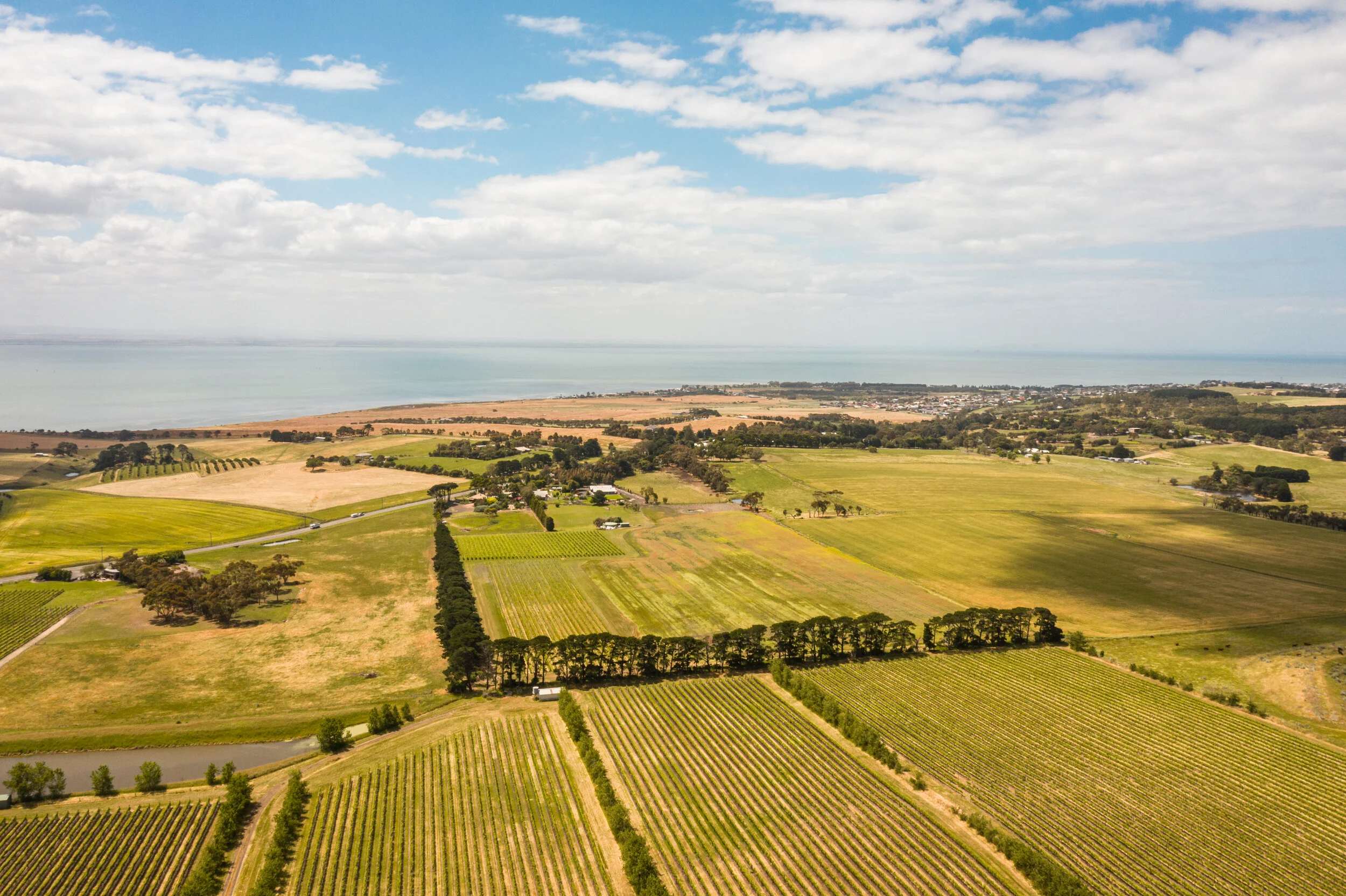
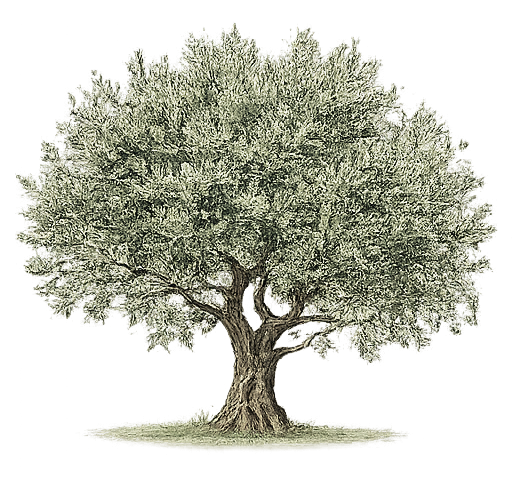
Before Panorama began taking shape, an olive grove stood proudly on this land. When the time came to prepare the site for the community you see today, great care was taken to relocate as many of these beautiful trees as possible so they could continue to thrive.
Today, their story lives on. Discover the olive varieties that once grew in Olive Park and explore traditional harvesting and curing methods.
Meet the Trees of Olive Park
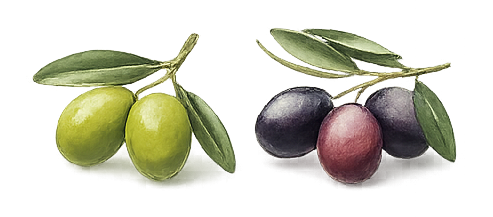
Olive Park is home to three beautiful olive varieties, each offering its own distinctive flavour and character.
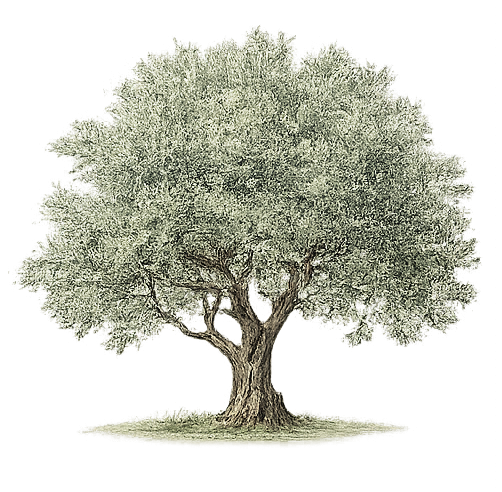
Nevadillo
Mild and buttery with a meaty texture - slightly sweet and nutty, perfect for salads and grazing.
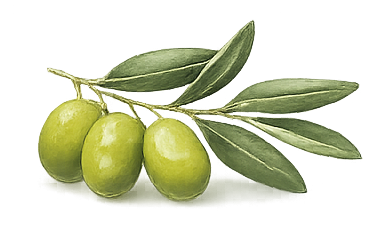
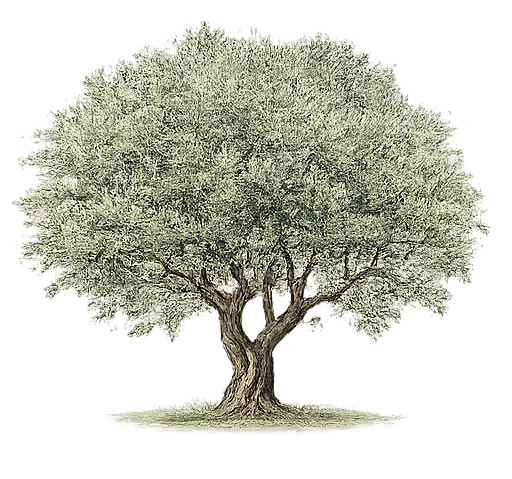
Manzanillo
A world-favourite table olive. Crisp and tangy when green, or rich and plummy when fully ripened.
Frantoio
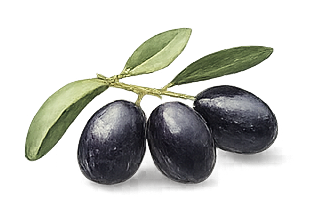
A classic Tuscan variety, prized for olive oil and equally delicious once cured - robust, aromatic, and full of flavour.
How to Harvest and Cure Your Panorama Olives
Harvesting olives is a simple, seasonal ritual. It’s best enjoyed at a relaxed, coastal pace.
The Brine Method
1. Harvest (March–April)
Pick fresh, firm olives. Green or ripe, your choice will shape the flavour.
2. Cure (Saltwater Method)
Slit olives, then soak in saltwater brine
(½ cup coarse salt to 10 cups water).
Keep submerged and change water daily for 10–20 days, tasting until bitterness fades.
3. Marinade & Enjoy
Drain, then marinate in extra virgin olive oil with rosemary, thyme, garlic, chilli, or lemon zest.
Let flavours infuse, bring to room temperature, and enjoy. Perfect for sharing.
The Water Method
1. Select Fresh Olives
Choose fresh, firm olives and rinse them thoroughly. Inspect for any bruised or damaged fruit and discard those that are not in good condition.
2. Prepare the Olives
To allow the bitterness to leach out, lightly crack or slit each olive using a wooden mallet or small knife. This allows water to reach the inside of the fruit.
3. Soak in Fresh Water
Place the olives in a glass or ceramic container and cover completely with cold water. Ensure all olives remain submerged - you may need to weigh them down with a small plate. Store the container in a cool, dark place.
4. Refresh Daily
Change the water every day to gently remove bitterness. Continue this process for around 4 weeks, tasting occasionally until the flavour reaches your preferred level.
5. Finish with Brine
Once cured, drain the olives and prepare a finishing brine using:
1 gallon (3.8L) water
1½ cups pickling salt
2 cups white wine vinegar
Place olives in a clean storage jar, cover with the brine, and leave a little space at the top.
6. Store & Flavour
Refrigerate and enjoy as they are, or add aromatics like lemon peel, rosemary, garlic, or chilli to enhance the flavour.
The Dry Salt Method
1. Harvest Fully Ripe Olives
Pick black, fully ripe olives for this method. Wash them thoroughly to remove any dirt and discard any damaged fruit.
2. Prepare the Olives
Pierce or slit each olive so the salt can draw out bitterness. A small knife works well, though pricking the olives several times with a fork is quicker.
3. Pack with Salt
Place the olives in a food-grade bucket or jar, layering them with coarse non-iodized salt (roughly 1 part salt to 2 parts olives by weight). Mix gently so the salt coats the olives evenly, then add a thicker layer of salt on top.
4. Draw Out the Bitterness
Cover the container and store in a cool place. Within a week the olives will begin releasing liquid and shrinking as the salt draws out moisture and bitterness. Strain off the liquid every few days.
5. Continue the Cure
Keep the olives packed in salt for 3–4 weeks, mixing occasionally to ensure even curing. Taste a rinsed olive occasionally to check the flavour.
6. Finish & Store
Once the bitterness has softened, rinse the olives in fresh water. Dry them gently and store in a jar, or preserve them in olive oil with rosemary, garlic, or chilli.